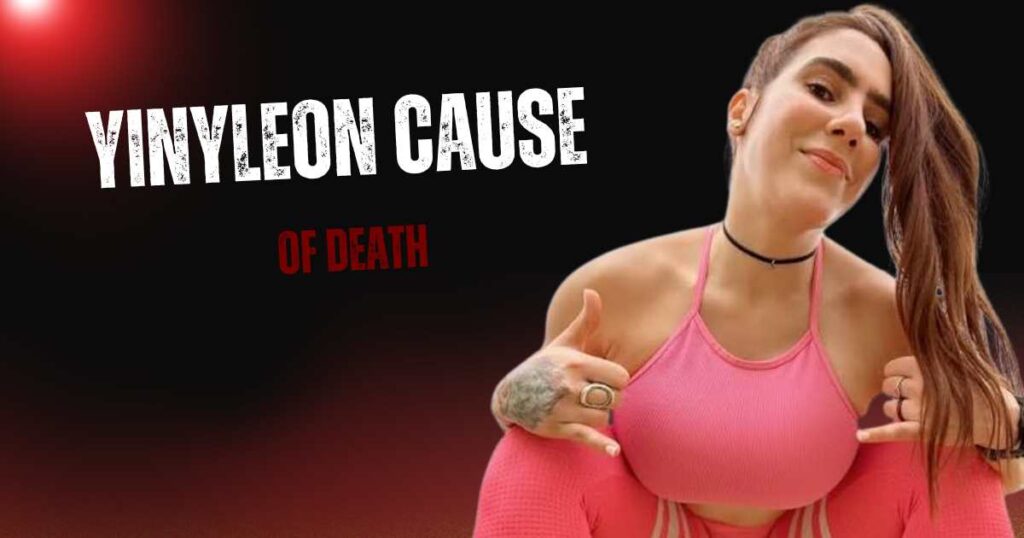
If you typed “Yinyleon cause of death” into Google, you’re not alone. Thousands of people have searched that same phrase this year, chasing an answer that social media keeps hinting at but never actually confirms. TikTok clips with sad music, blog posts promising “the shocking truth,” and autocomplete suggestions have all fed into a rumor cycle that refuses to die down, even though the woman at the center of it appears to be very much alive. This article separates fact from noise. We’ll walk through where the Yinyleon death rumors began, why the cancer and autopsy claims don’t survive basic scrutiny, and how you can spot a fake celebrity death story the next time one lands in your feed.
Bio/Wiki
Before diving into the rumor itself, here’s what’s publicly known about Yinyleon.
| Detail | Information |
| Name/Alias | Yinyleon |
| Profession | Social media influencer, content creator |
| Known For | Short form videos, lifestyle content |
| Reported Birth Year | 1984 |
| Reported Location | Puerto Rico |
| Active Platforms | TikTok, Instagram, YouTube, subscription platform |
| Follower Count | Over 3 million combined |
| Current Status | Active, based on public activity in 2026 |
| Cause of Death | Not applicable, no death confirmed |
This table matters because it grounds the discussion in what’s actually verifiable rather than speculation. Her public activity, not rumor threads, is the most reliable signal available right now.
Why People Search for Yinyleon Cause of Death
Search trends don’t appear out of thin air. A handful of specific triggers pushed this phrase to the top of Google and TikTok search bars.
- Emotional videos pairing old footage with somber music and captions implying she passed
- Clickbait headlines using words like “shocking” or “revealed”
- Autocomplete suggesting the phrase once enough people typed it
- A brief posting gap that fans misread as a warning sign
- People trying to verify a tribute post before sharing it themselves
None of these reasons confirm anything happened to her. They explain the curiosity, not the facts. It’s also worth noting that Yinyleon fits the mold of a private public figure. She has a real following, but not the press infrastructure that a mainstream celebrity has. When someone in that position goes quiet for even a short stretch, fans tend to fill the silence with worst case scenarios instead of waiting for real confirmation.
Related Post: Jenny Popach Age, Biography, Net Worth, Career, Family, Controversies, Hobbies, and More
Is Yinyleon Dead?
No. Based on everything publicly available, there is no official death confirmation tied to her name. Genuine death announcements almost always follow a recognizable pattern:
- A statement from a verified account belonging to her, her family, or her management
- Coverage from an established, credible news outlet
- A public record, obituary, or legal filing
- Confirmation from people close to her, not anonymous social posts
None of these steps have taken place. What exists instead is a pile of viral videos and copycat articles repeating the same unverified claim without adding a shred of new evidence. Recent Yinyleon public activity, including posts and interactions with followers, directly contradicts the idea that she has died.
The Truth About the Cancer Rumor
The cancer death rumors are the most persistent version of this story, and also the weakest in terms of proof.
Where the Cancer Claim Started
The cancer rumor traces back to anonymous social posts and low quality blogs, not a hospital, doctor, or family member. Some accounts added invented specifics like treatment timelines and cancer types to make the story sound more believable, a tactic that’s common in fabricated health rumors across social media.
Why the Claim Does Not Hold Up
A genuine cancer diagnosis or death typically produces some combination of the following. None of it exists in this case.
- A public statement from family or representatives
- A hospital or medical record cited by a credible source
- A visible shift in posting habits consistent with serious illness
- Coverage from at least one established outlet
Since none of these markers exist, the cancer claim belongs in the speculation category, not the fact category. Responsible reporting doesn’t attach a specific illness to someone’s name without solid proof.
The TikTok Death Hoax Problem
TikTok is the primary engine driving this particular rumor, and understanding the platform’s mechanics explains a lot about celebrity death hoax culture in general.
How These Hoax Videos Are Usually Made
Creators chasing engagement tend to follow a near identical formula.
- Reuse old footage or photos out of context
- Layer in slow, emotional background music
- Write a vague caption implying insider knowledge, such as “rest in peace”
- Skip citing any actual source
- Let the comment section fill with grief before anyone asks for proof
Why These Videos Spread So Fast
TikTok algorithm rewards watch time and emotional reactions, and sadness tends to outperform calm, factual content by a wide margin. Viewers often hit share before pausing to check whether a video contains any real confirmation. By the time a fact check surfaces, the original hoax has usually reached far more people than the correction ever will. This is the core mechanism behind most viral fake news involving public figures.
What About the Autopsy Claim?
Some versions of the story go further, claiming an autopsy confirmed her death. This detail deserves its own breakdown because it’s one of the more deceptive layers of the rumor.
An autopsy is a legal and medical procedure that only happens after a death is already officially recorded. There is no public legal filing, medical record, or credible report describing an autopsy connected to Yinyleon. Using the word “autopsy” in a caption makes a claim sound official, but it doesn’t manufacture actual evidence. Treat any autopsy claim without a linked legal or medical source as fabricated, full stop.
Why Death Hoaxes Keep Happening
Yinyleon isn’t the first online personality to face a fake death rumor, and she won’t be the last. A few forces make this kind of misinformation almost inevitable.
- Financial incentive. Shocking headlines drive clicks, and clicks generate ad revenue for low quality sites.
- Algorithm design. Platforms tend to boost emotional content over calm, accurate reporting.
- Emotional sharing behavior. People share sad news before verifying it because grief feels urgent.
- Information vacuums. When a creator posts less and no statement addresses the rumor, speculation rushes in.
- Copycat content. Once one post makes a claim, dozens of others repeat it without adding verification.
This Pattern Has Happened Before
Fake death rumors have circulated for years about musicians, actors, and online personalities, usually built from the same ingredients: recycled footage, a dramatic caption, and an emotional soundtrack. Many of those earlier hoaxes trace back to a single unverified post that got copied across dozens of pages until it resembled real news. Recognizing this recurring pattern makes it easier to stay skeptical the next time a similar story appears.
How to Check If a Death Report Is Real
Next time a death rumor about any public figure crosses your feed, run through this quick checklist before you share anything.
- Look for a statement from a verified family member, representative, or management account
- Check whether an established, well known outlet has actually reported it
- Be cautious of vague phrases like “reportedly” or “sources say”
- Visit the person’s own official accounts to check for recent activity
- Remember that autocomplete reflects curiosity, not confirmed news
- Treat dramatic captions or sad music as a warning sign, not proof
If a claim fails most of these checks, wait for verified news sources instead of spreading it further.
The Real Harm of False Death Reports
It’s tempting to treat a death hoax as harmless internet drama, but the fallout reaches further than a single viral clip.
- Fans experience real grief and anxiety over something that never happened
- Reputation and brand partnerships can suffer from repeated false headlines
- Search engines and AI summaries can end up repeating unverified claims once enough low quality pages publish them
- Constant hoaxes make people more skeptical of real emergencies involving other public figures
- People facing genuine illness later get taken less seriously because of the cry wolf effect from fake health rumors
Why This Topic Still Trends in 2026
Death hoaxes rarely vanish once they start, and this one shows why. A few forces keep the phrase alive years after it first surfaced.
Search engine autocomplete keeps suggesting the term to new users who’ve never seen the original rumor. Content sites keep republishing similar articles because the keyword still pulls traffic. Old TikTok clips resurface through shares and recommendation algorithms long after their first upload. New readers stumbling onto the phrase assume it’s recent, which restarts the entire cycle. In short, this topic trends because of search behavior and recycled content, not because of any new confirmed development.
What Is Actually Confirmed?
Here’s a clean breakdown separating fact from speculation.
| Confirmed | Not Confirmed |
| Active online presence as of 2026 | Any cause of death |
| No official death announcement from credible sources | A cancer diagnosis or related death |
| No verified cancer diagnosis | An accident or sudden incident |
| No legal or medical autopsy record | An autopsy or medical finding |
| Rumor traced back to social posts, not official sources | Any family or representative statement |
Conclusion
The honest answer to Yinyleon cause of death searches is simple: there’s no cause of death to report, because there’s no confirmed death. This rumor spread the way most viral hoaxes do, through emotional TikTok content, vague headlines, and sharing without verification.
The cancer rumor and the autopsy claim both collapse under basic fact checking, while her public activity points toward someone alive and active, not the opposite. Before sharing any death related claim about a public figure, pause and check for verified news sources first. That habit protects both the person being discussed and the people who genuinely care about them. Until a real, verified update surfaces through official channels, the responsible answer stays the same one this article opened with.
Ivan Petrov is the author of the blog “Ivan Petrov,” dedicated to the art of Shayari. He explores themes of love, longing, and life through poetic expression, blending diverse cultural influences with a deep appreciation for Urdu poetry. His writing seeks to connect readers emotionally through beautifully crafted verses that reflect heartfelt human experiences and timeless emotions.